The summarised biography of Jacques lépissier given below is a summary abstract from his book (in French) 'De Guénako à Excellence' which is also presented to you on the following tab.
§§§§§§§§§§§§§§§§§§§§
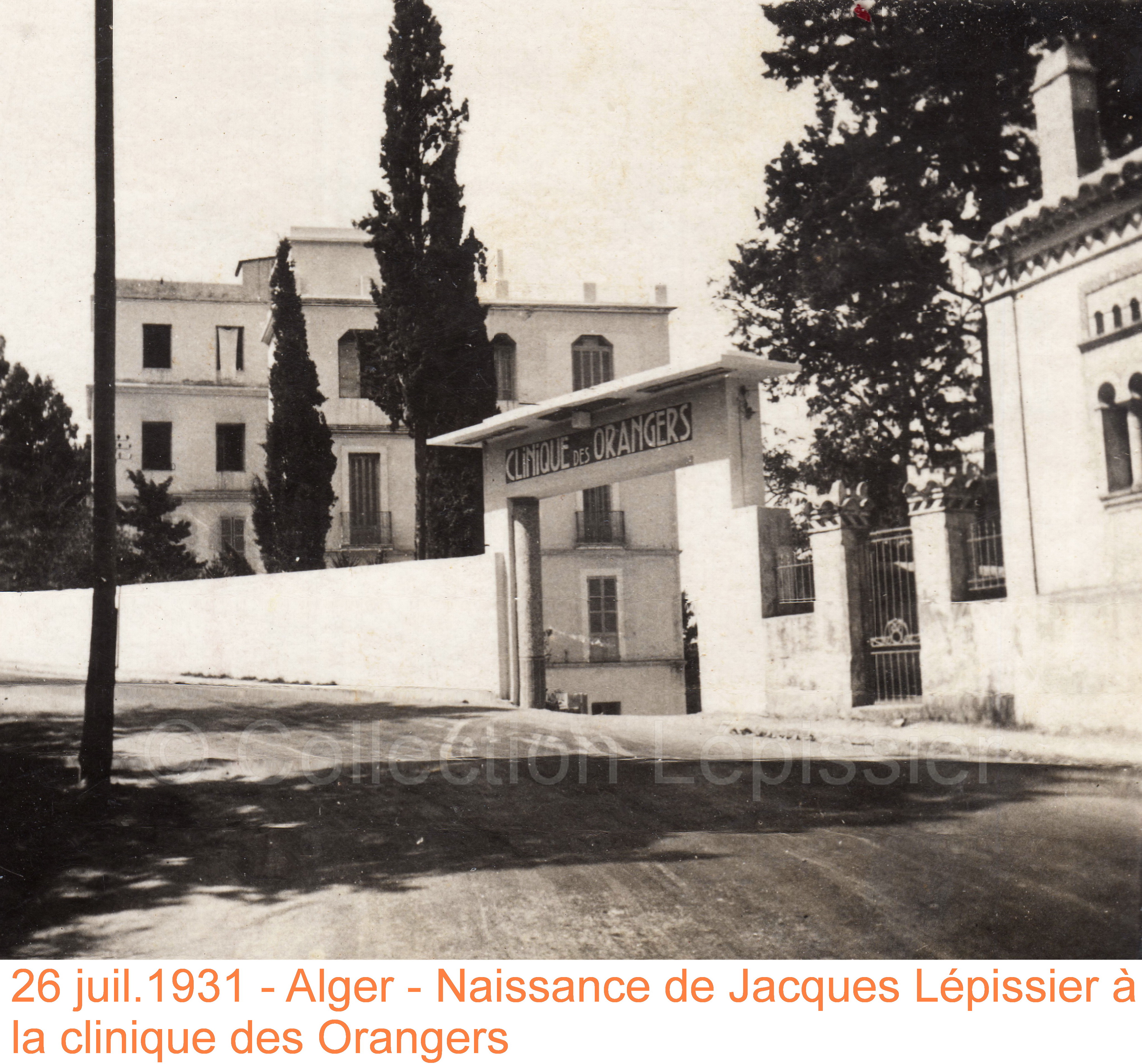 Jacques was born on 26 July 1931 at the Clinique des Orangers in Algiers where is father worked at Crédit Foncier d'Algérie et de Tunisie, on secondement from Crédit Foncier de France.
He is the eldest son of Émile Georges Henri Lépissier and Simonne Bonlieu.
Jacques was not a fan of long studies. He passed his agricultural baccalaureate (one of the first) and after an accelerated training in a public school obtained a diploma in technical agricultural engineering.
In 1951, Jacques did an internship in a research center in applied zootechnics at the Courcelles-Chaussy École d'Agriculture (School of Agriculture), east of Metz in Moselle.
It was there that he met a 15 year-old girl (born on 1 July 1935) Marie-Thérèse Picker, known as Mathé, a Franco-Swiss girl (with a Danish grandfather and an Italian grandmother) who had come to rest with her aunt Michèle Thibault-Grison. Her uncle Jacques Grison was an FAO executive and as such spent many years in Haiti, among others.
Marie-Thérèse comes from a sibling group of 10 brothers and sisters of various nationalities. She was then a dancer with Jeanine Solane (1912-2006), an emblematic figure of danse in the 1940s : she needed to rest after a series of recitals at the Palais de Chaillot and especially after a kidney problem which unfortunately forced her to stop dancing.
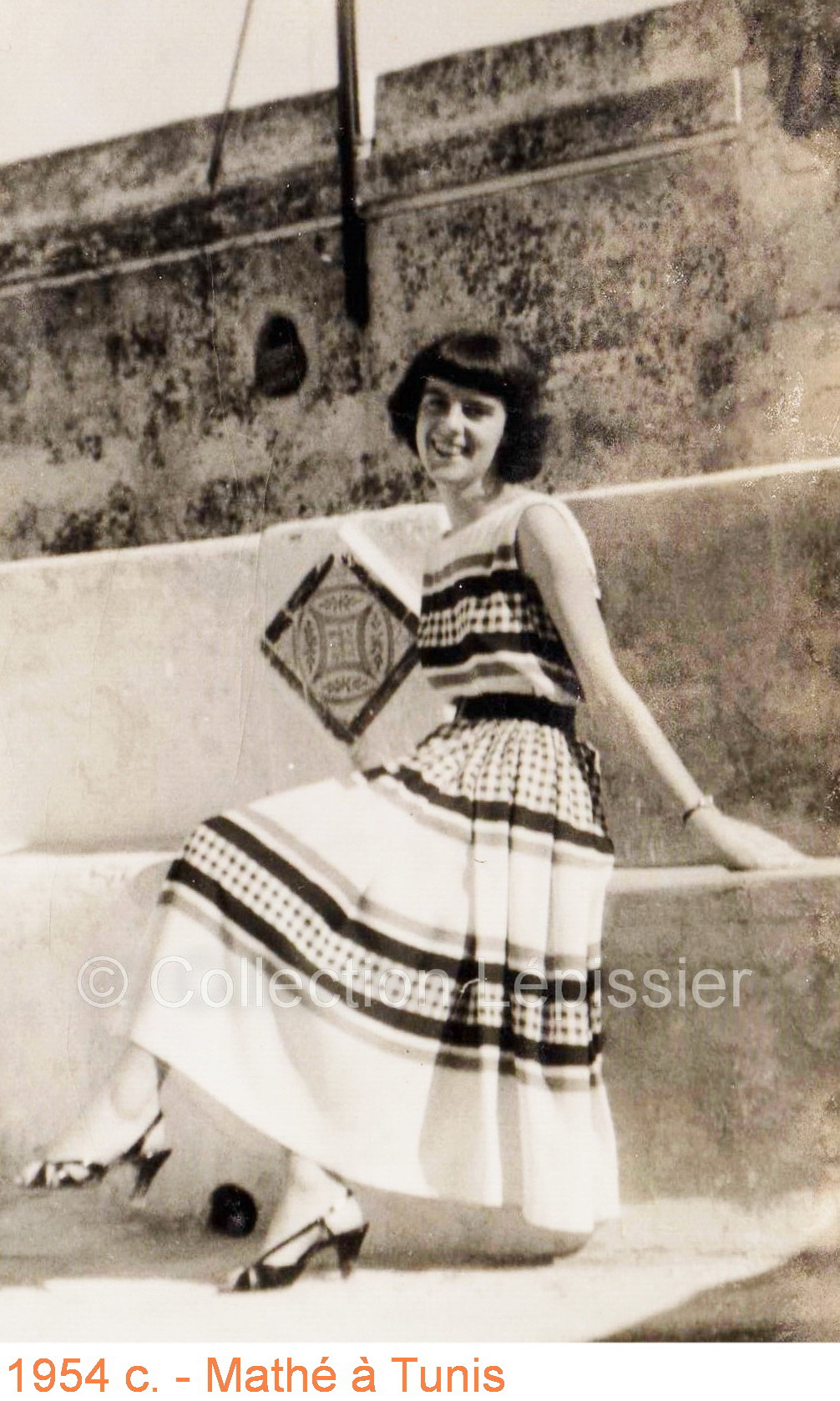 In 1953/1954, Jacques did his military service with the 3rd regiment of Senegalese Riflemen at the Nador camp, north of Bizerte in Tunisia. During his leave, he went to his parent's home in Tunis. It was there that he saw Mathé several time, "officially" invited by Jacques' sisters. Mathé stayed in Tunis for a while, but left Tunisia in February 1952 due to the begining of the troubles linked to the campaign for independance of the country, to join her mother who was living in Canada. Jacques and Mathé were thinking about their marriage.
Shortly after his military service, he met a representative of a French company of Cameroonian status, the Compagnie Pastorale Africaine (known as La Pastorale ou CPA), who offered him a job as a ranch worker raising zebus near N'Gaoundéré, in Adamaoua, in the center of Cameroon. Jacques, the son of a father born in China and a mother from a family of Beauce farmer-breeders, only dreamed of going abroad to have an adventurous life, a "cowboy" as Mathé will often say when talking about Jacques. But the CPA required, in addition to a technical engineering degree in agriculture and a completed military service, three internships (breakdown service in automobile mechanics, accounting and bovine artificial insemination). Jacques naturally complied with these conditions and carried out three internships required. He therefore felt free to marry Mathé.
The wedding ceremony took place on 19 June 1954 at Courcelles-Chaussy. Jacques was 22 years old and Mathé 18 years old.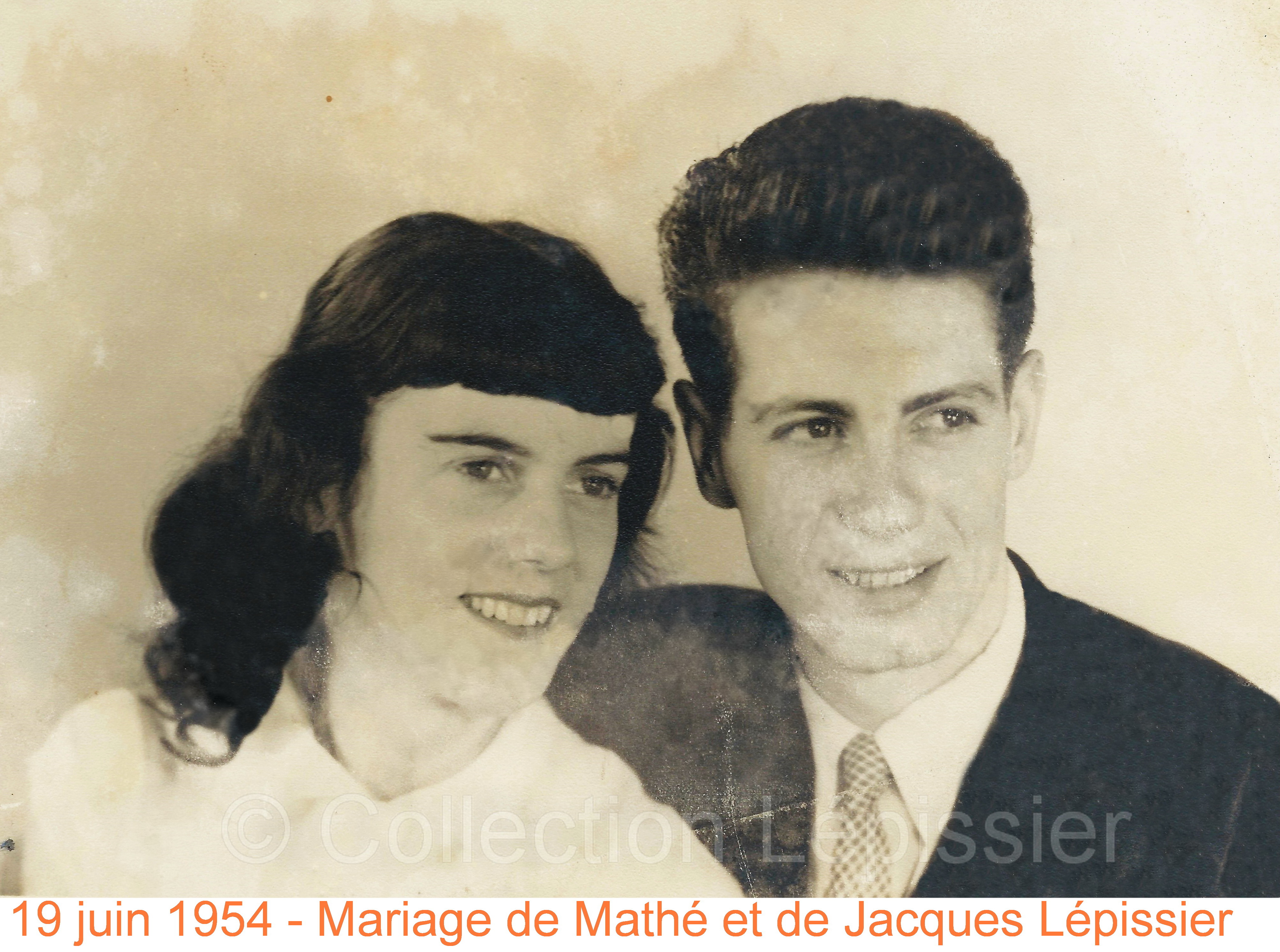
Jacques was therefore able to sign his employment contract with La Pastorale in August 1954 to go to Cameroon.
But Jacques signed his contract without realizing that a clause stipulated that any new employee in Africa must spend the first 24 months alone to learn the work and the language of his region of assignment.
The contract was for two years' stay followed by four months' leave. Rotations over periods of 28 months thus allowed all employees to take turns taking leave in France during each the four seasons.
When Jacques left for Africa on 5 August 1954, 47 days after his marriage, Mathé stayed in France and went back and forth between France, Canada and Tunisia. It was at this time that she became seriously ill to the point of receiving Extreme Unction. However she managed do recover and required a long period of recovery.
Jacques therefore arrived in Douala on 18 August 1954 and after 10 days of acceleratd training in Douala joined his post at a farm 140 km north-west of Douala, in the Manengouba mountains, above N'Kongsamba, where he stayed for 3 weeks before being sent to Djuttitsa, another farm located on the mountain 30 km above Dschang, in the Western region in Bamiléké country, and then to Banyo farm in the Adamaoua region.
It was at this time that he received the order to convey, at the end of the rainy season, about twenty groups of growing castrated male zebus. This convoy represented a column more than 3 kilometres long, comprising 2.000 animals and 70 men. Between Tignère and the Tchabé Gandaba, the convoy had to cover about two hundred and fifty kilometres of cattle tracks for about two weeks. Jacques, on horseback, got to know his trade as a 'cow-boy', or 'guénako' (a word in Foufouldé, or Peulh language, which means sheherd, cowherd, or pastor).
Jacques was then appointed, in December 1954, to Chad, where the company negotiated a 50 000 hectare concession for cattle fattening with the colonial authorities.
Naturally, on his arrival in Fort-Lamy (now N'Djamena), the capital of Chad, he contacted his first cousin Henri Lépissier, who was sent there as a veterinarian in tropical medecine in the livestock department of Farcha.
Jacques had to explore (and draw up maps), on horseback, with a colleague who leads another column, a triangle of about 80 km of side between Massakory, Massaguet and Bisnei. This exploration lasted 2 ½ months before returning to Fort-Lamy.
The administration decided on a provisionnal allocation of a first plot of 5 000 hectares for 2 years in order to verify the reliability of te information collected during the prospecting mission. It was only afterwards that the colonial administration admited the definitive allocation of the plot. A second tranche of 5 000 hectares was then allocated insofar as the pastoral development had in fact already been carried out. And so on and so forth.
The new ranch was located in Bachoum (which means "jackal" in Kanembu language), 25 km from Massakory. Jacques had two round straw mattresses built for him, linked by a 6-meter wide corridor covered with straw and bordered on the sides with braided mats.
But this stay in Chad was of short duration. In fact, the director of the Chad breeding farm, Henri Lépissier's hierarchical superior, asked the director of La Pastorale to move Jacques Lépissier out of the veterinary district under the responsability of Henri Lépissier in order to avoid any risk of favouritism.
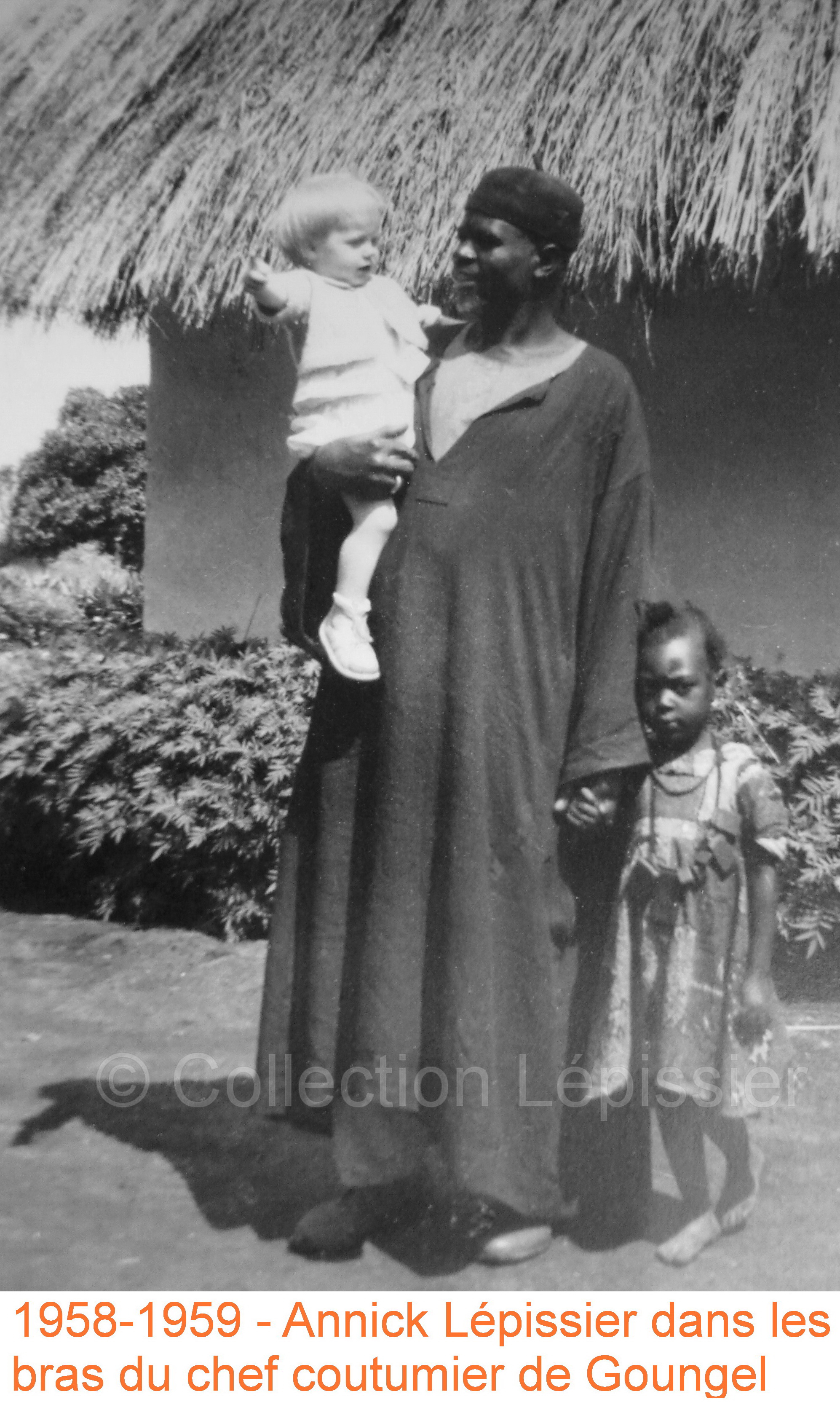
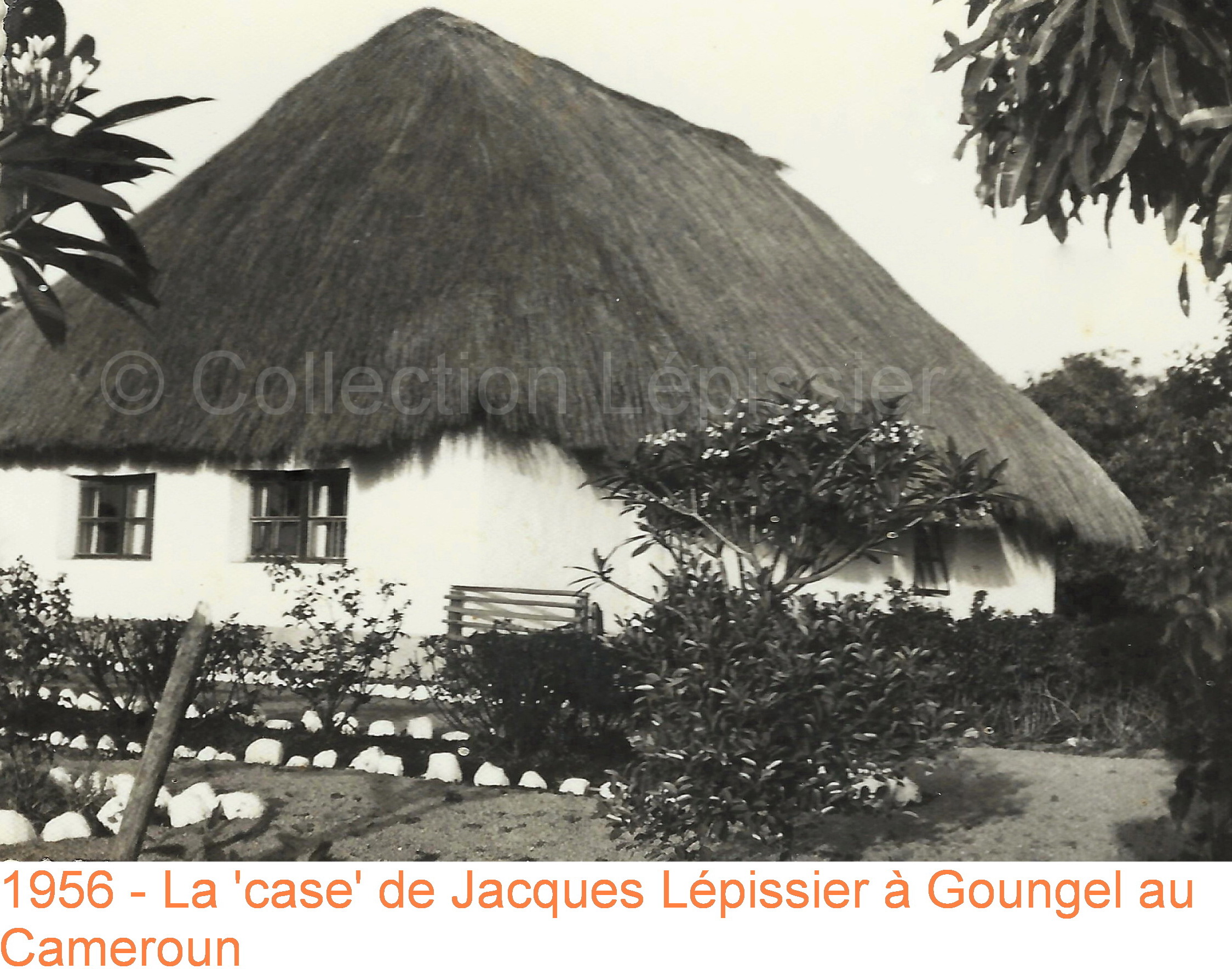
This is how Jacques finded himself once again in N'Gaoundéré in Cameroon. He was soon sent to the Goungel ranch, 115 km east of N'Gaoundéré towards the border of Oubangui-Chari (Central African Republic today). It was the largest ranch of La Pastorale with 110.000 hectares of rolling plateaus, and in 1955, 9 000 zebu heads divided into about a hundred herds.
It was at the begining of 1955 that, coming from Fort-Lamy, his cousin Henri Lépissier, accompanied by his family (Monique, Bertrand and Hervé), came to spend a few days holiday with Jacques.
Jacques' first stay in Africa for La Pastorale lasted 23 month. He took the opportunity to build a hut for Mathé. He returned to France for his leave in July 1956.
He left again for Africa, this time accompanied by Mathé, who was pregnant, in October 1956, to join the Goungel ranch.
On 14 avril 1957 in N'Gaoundéré, Annick, their first and only daughter was born. She had the life of a little savage girl and the customary chief of Goungel, even offered to buy her to give her in marriage to his son.
On 1st January 1960, Cameroon obtained independence.
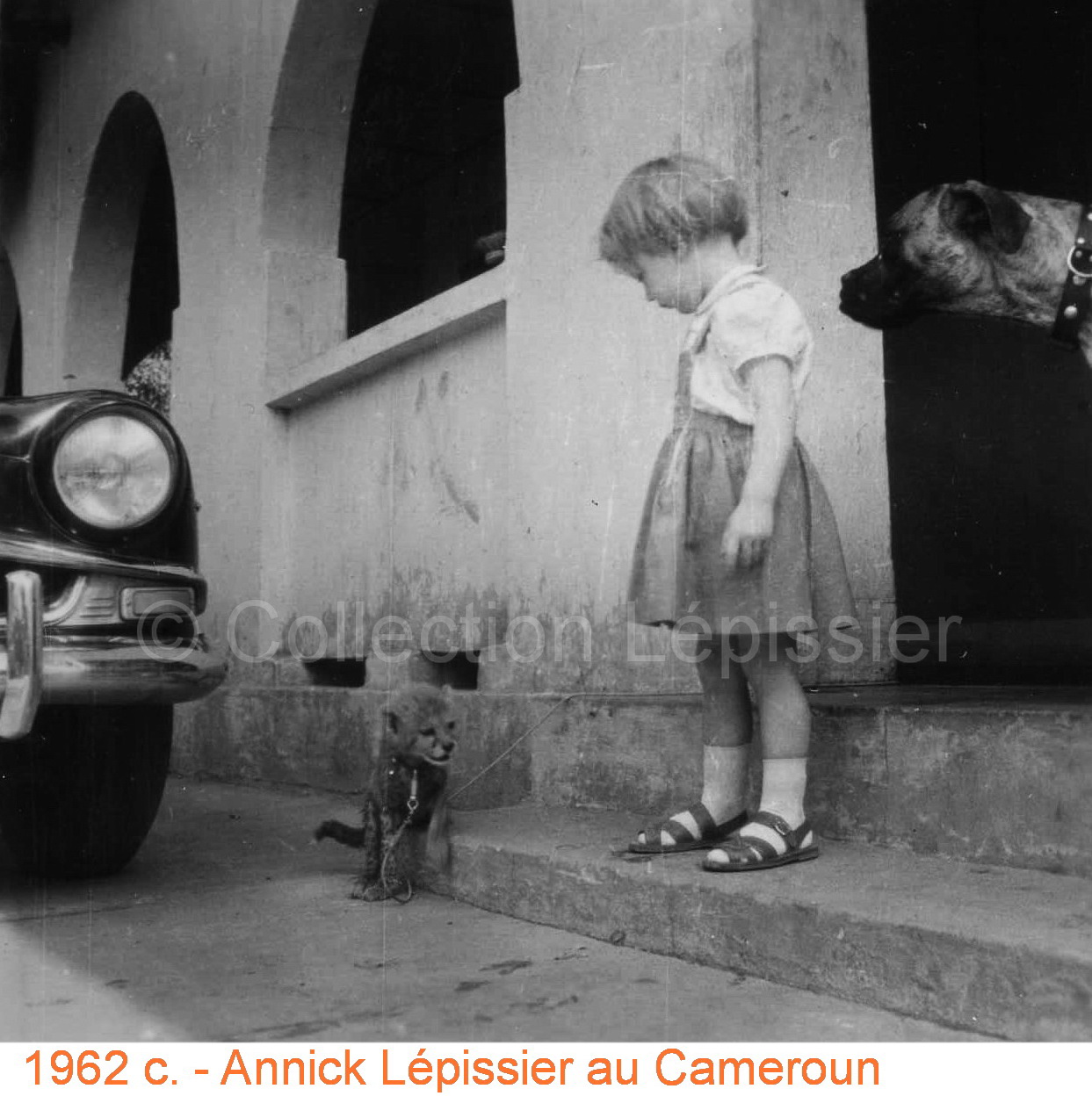
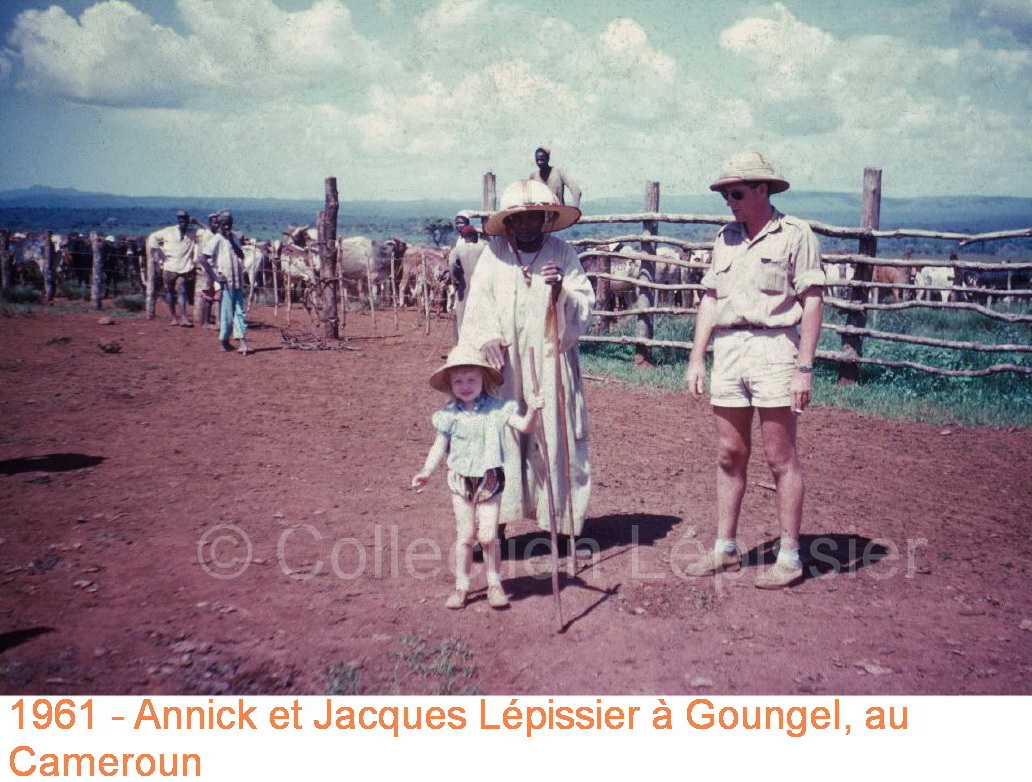
On 21 September 1960 Denis was born in N'Gaoundéré and on 28 January 1964 their son Laurent was born also in N'Gaoundéré. Jacques then run the Goungel ranch, but after 8 years there he wanted to change.
1966- Siège de La Pastorale à N'Kongsamba
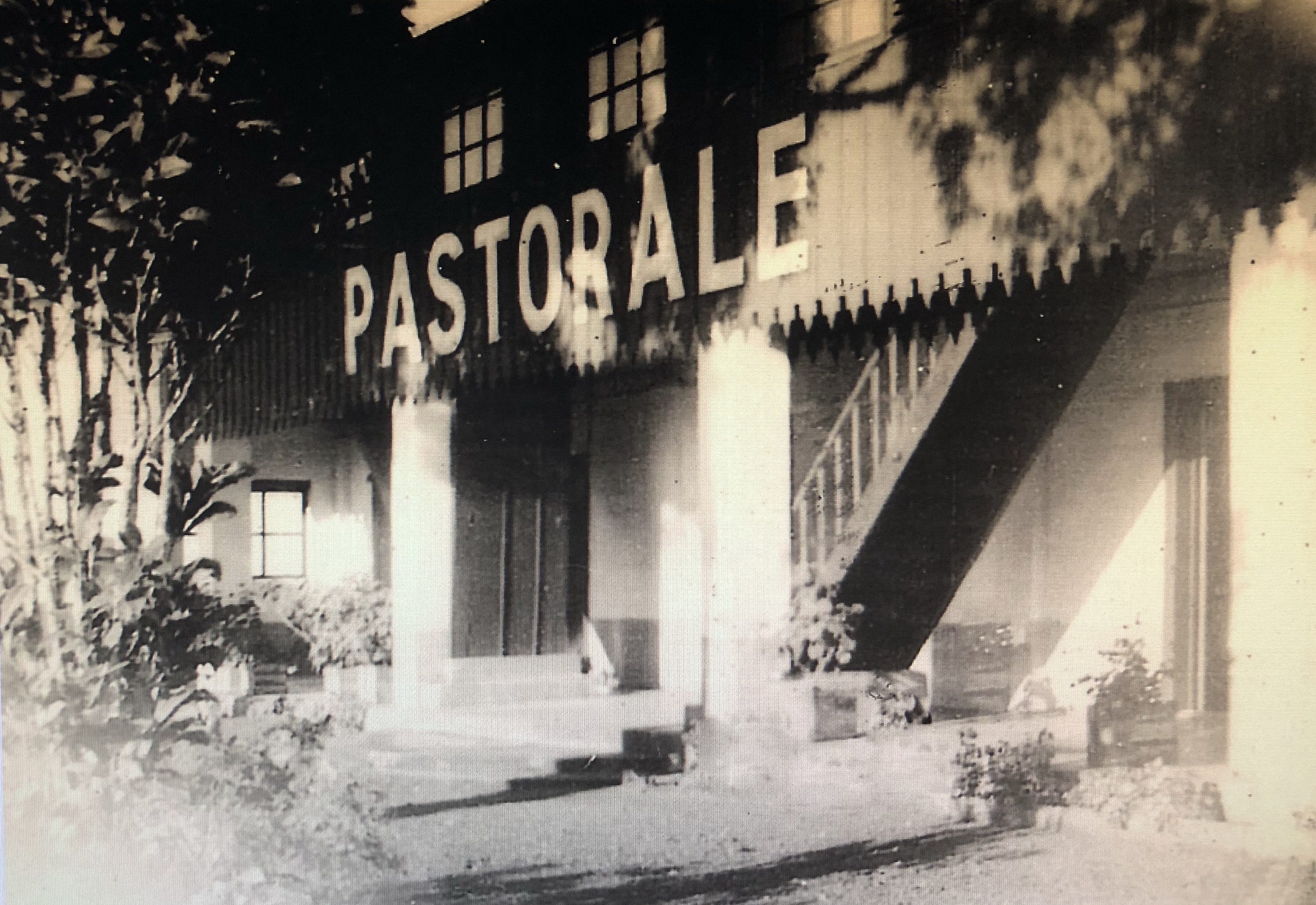 At the end of 1965, Jacques obtained an assigment at the N'Kongsamba ranch in the south-west of Cameroon, 1.200km from Goungel, an area he knew in 1954 when he arrived in Cameroon.
It was a difficult period because the Bamilékés revolt, which began in 1958, was still not over in 1960. Bearly 80 planters and settlers were killed by the Bamilékés between 1959 and 1963.
This farm managed about 1.000 dairy cows and daily milk production was between 1.000 and 1.200 litres.
From N'Kongsamba, Jacques was also responsible for supervising the Djuttitsa farm, which specialised in pig farming, which he also got to know in 1954, where he had to stay for one week a month. Given the major security problems caused by the Bamilékés rebellion, the Djuttitsa farm was finally sold to a cameroonian trader.
It shoul be noted that Jacques spoke Foufouldé, or Peulh, as well as Bororo, which greatly facilitates his integration in this country. He was even a sworn interpreter in Cameroon in these two languages. He was also fluent in Arabic from Tunisia, in Baya and M'béré from Central Africa and in Toucouleur and Saracolé.
Jacques did not stay very long in this region. He was very quickly tranferred from the CPA livestock department to the company's general management in Douala, where he was appointed authorised signatory of the CPA-Prodel subsidiary Jacques was trained in commercial activity in the meat sector. The family then lived in a large flat above the Pastorale Butchery of Plateau Joss in Douala.
Jacques, as sales manager, had to negotiate with customers, wholesalers, CPA and Prodel, about quantities, qualities, prices and packaging of meat. He also had to finalise allotments (volume-weight available on board an aircraft) with air carriers. But as a salesman, Jacques spent three weeks a mont away from home.
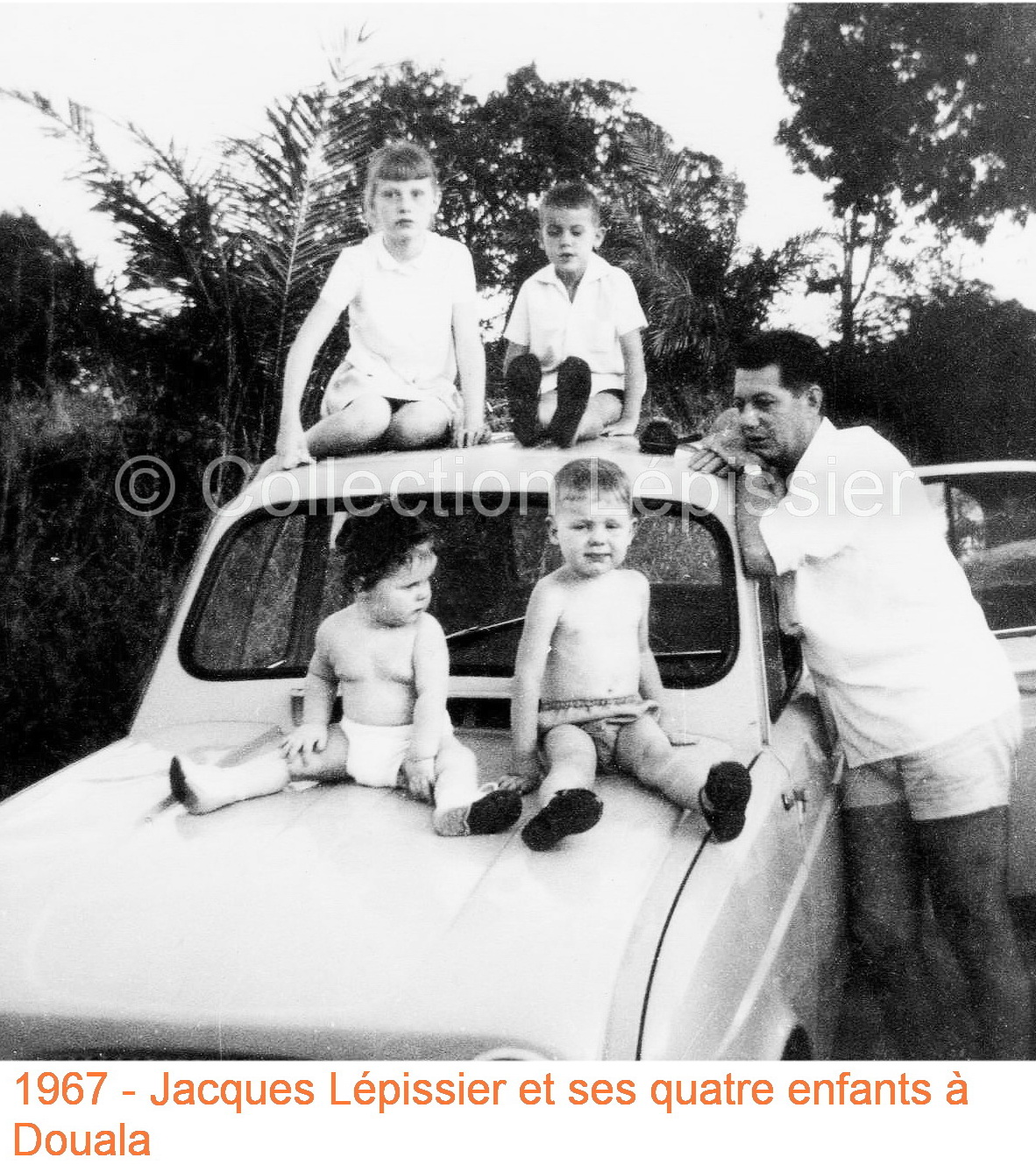 It was in Douala, at the Soppo-Priso clinic, rue des Serpents, that Stéphane, was born on 10 December 1965, the couple's fourth and last child. The family'stay in Douala lasts two years. They took advantage of the weekends to go on excursions in the bush. Difficulties multiplied between the two sharholders. As a result, Jacques' employment contract was abruptly terminated : he had to leave the company in March 1967, after 13 years at the CPA.
The family then returned to France and settled in the family property in Loury (Loiret). Throuh a friend, Jacques quickly met an industrialist who had made a fortune in chartering.
The latter, wishing to return to Africa and to the livestock farming he had known before the war, proposed to the Mauritarian government to take charge of the upstream and downstream of the Kaédi slaughterhouse, under construction, with a refrigeration capacity of 3 000 tons of meat per year. This meant running a traditional adult livestock purchasing network and a quarantine ranch to monitor the condition of the livestock to be sent to the slaughterhouse and to create an export network.
To do this, he was looking for a general manager who was a practitioner in the field, to manage the futur COVIMA (Compagnie de commercialisation des Viandes de Mauritanie) a semi-public company (The Mauritarian gouvernement would eventually take 49% of the capital). This corresponded perfectly to the skills of Jacques who signed his contract, with Mathé's agreement, at the end of 1967.
Kaédi, capital of the Gorgol region in Mauritania, on the Senegal River, was not an easy post. In 1967, there was only water and electricity for two hours a day. There were only seven telephones which made up the entire urban network and there was no possibility of communication with the outside world.
Jacques had to open the COVIMA there. So he left alone in January 1968 to carry out a pre-opening feasibility study. He settled at the Hotel Marhaba in Nouakchott, the capital of Mauritania.
As Mathé and the children could not stay in Loury, she rented a small pavillon in Montmorency. After some time, Mathé and the boys joined Jacques in Nouakchott, Annick having stayed at a boarding school in France.
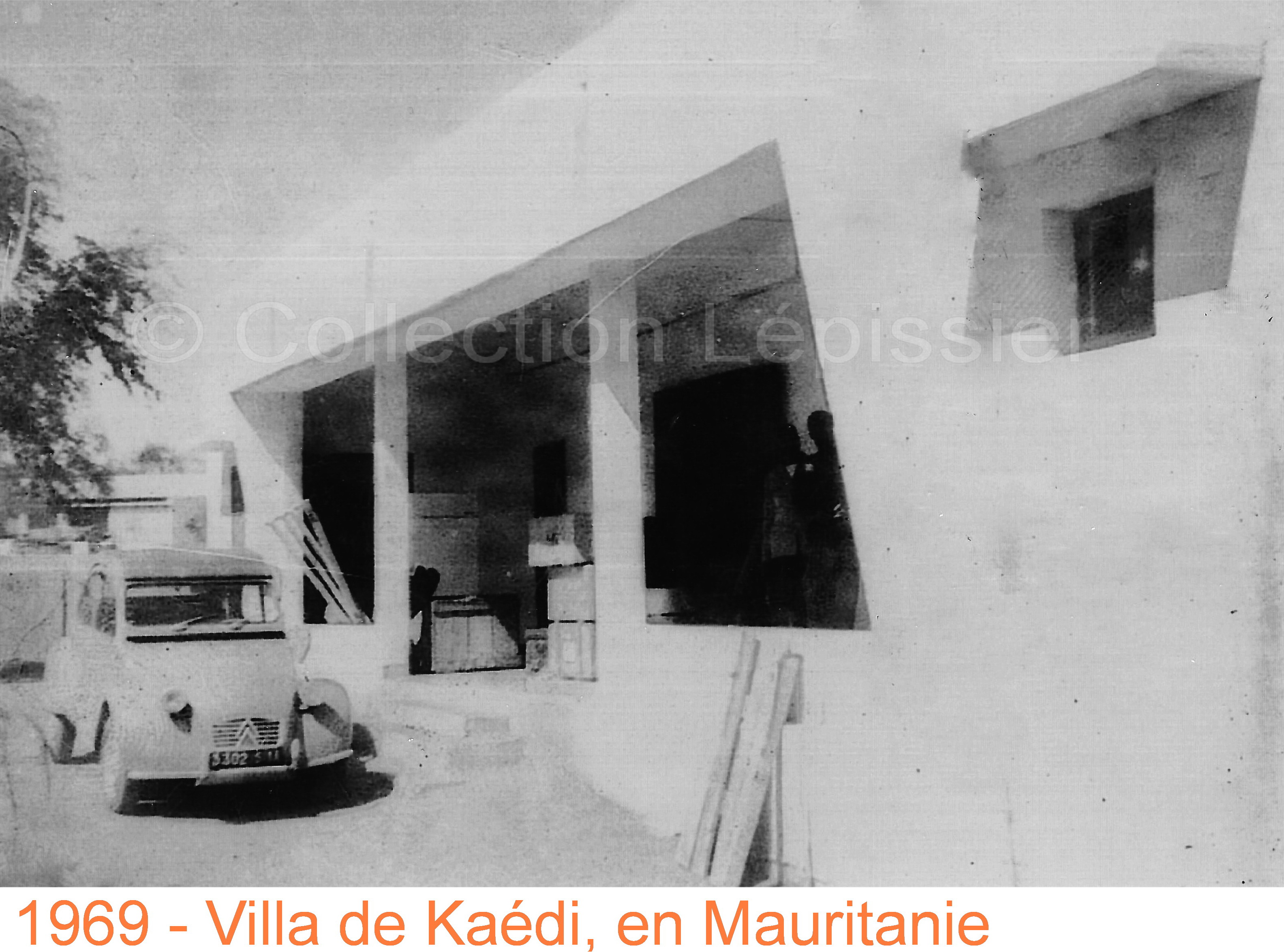
After a few months in Nouakchott, Mathé and the boys moved to Kaédi, in a large, simple,but well built house that Jacques rented .
Everything went well : the company developed rapidly.
But one day, in the summer of 1969, Jacques was summoned by the prefect of Kaédi who ordered him to leave the country within 48 hours. The next day, Jacques, Mathé and the four children (Annick had joined them for the holidays) left Kaedi, with only 120 kg of lugage, on a small plane chartered for the occasion, bound for Dakar, where his first cousin Henri Lépissier, the veterinarian had been living for years.
Why ? What happened ? One of COVIMA's, biggest customers, wanted to develop in the lobster trade. So he forced the line and indicated to the Mauritarian government that he was ready to buy 2.000 tons of meat, ten times more than his present contract, if he obtained large stocks of lobsters. Jacques Lépissier was thus accused of having suggested to this client to claim a strong increase in the volume of meat sales against lobsters ! In fact, the Mauritarians, the work of launching the company and the slaughterhouse having been done, wanted to be alone to continue running COVIMA.
While Jacques stayed for a while in Dakar with his cousin Henri Lépissier to consider possibilities of reconversion, Mathé and the three children return to France to prepare for the start of the school year.
Jacques returned to France a little later and the family moved back to Loury in July 1969. He found a temporary job as consultant thanks to an English friend, the general manager of the French speaking sector of an international veterinary products group : Jacques had to carry out a study in French slaughterhouses, on the slaughter chains, for a low remuneration. It was a difficult period for him, especially as his father Émile died on 27 Octobre 1969 during a leave of absence in Loury.
He almost emigrated to Australia when he accepted a proposal from the Australian government that offered concessions (under certain conditions) of 5 to 20.000 hectares in semi-arid areas. The boat tickets were taken, but at the last moment in October 1969, Jacques and Mathé decided not to go ahead with the project.
Australia having been eliminated, Jacques and Mathé wanted to find something else abroad. Jacques, pushed by Mathé's uncle, Jacques Grison, then turned to the FAO, which was looking for specialists in animal husbandry. He sent a letter and decided to go to Rome, FAO headquarters in Via delle terme di Caracalla, to support his application. Luckily, the FAO was looking for a livestock specialist for Chad. The FAO, on the recommendation of Jacques Grison agreed to propose his candidacy to the Chadian governement. It was accepted.
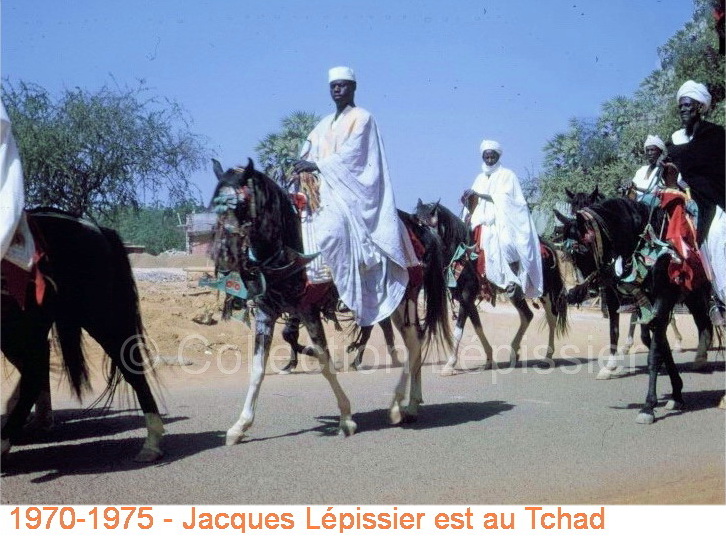 At the begining of 1970, the FAO told him that he had to reach Fort-Lamy within ten days. Jacques became head of the EU project U.D.E. (Unité de Développement de l'Élevage). Mathé joined Jacques in Fort-Lamy in June 1970 with the children. Shortly after the family's arrival, on 13 July 1970 Jacques fell into coma. He was afflicted with viral nephro-hepatitis, a kind of yellow fever. He was evacuated on the Foch Hospital in Paris in an emergency. He is narrowly saved. At the end of September, thanks to the FAO social service, Mathé and the children returned to France. Mathé distibuted the three eldest in the family and went, with Stéphane, to join Jacques in a rest home near Toulouse. But if the viral nephro-hepatitis was well treated, he was discovered, during a check-up, to have an important bilharziasis. He returned to the Foch Hospital where he was treated, but a new convalescence of two months was then necessary.
After this interlude of 6 ½ months in France for medical reasons, Jacques and his family returned to Chad at the begining of 1971.
After a very low start, the mission took off. Jacques managed to obtain a trilingual executive secretary, assistants, an economist, an agrostologist and a dairy engineer.
It was in Fort-Lamy, in 1975, that during a game of capes and swords, Stéphane unintentionally wounded his brother Laurent in the eye. The latter burts with a haemorrhage. The first aid given by an ophtalmological surgeon from the military hospital of Fort-Lamy is of high quality. Laurent's eye was struck again and he had to be repatriated to Paris for surgery. The commander-surgeon of the military hospital in Fort-Lamy suspected a visual defect, as the eyelid should have closed to protect the injured eye. He deduced that Laurent may had a visual defect. Initial examinations did indeed identify a restricted and irregular visual field in the right eye. This suggested a genetic anomaly and the doctor examined the family and thought he had identified in Laurent, 10 years old and Mathé, 39 years old, a retinitis pigmentosa, an incurable retinal disease. They learn that, if diagnosis was confirmed, they risked losing their eyesight completely.
Mathé went to Paris with Laurent. Examinations confirmed the diagnosis made in Fort-Lamy; they stayed in France for three months before returning to Chad. Mathé and Laurent would indeed lose their eyesight.
The U.D.E project was developing well. It was even being extended and expanded.
It was during this period that Mathé and Jacques bought a large flat in Olivet (Loiret) in the suburbs of Orléans.
At the end of 1976, Jacques learned that the FAO headquarters in Rome had appointed him for a project formulation mission in the center of Ivory Coast. The Société d'État pour le Développement des Productions Animales (SODEPRA) wanted to launch the programme 'Encadrement et Promotion des Fermes d'Élevage dans le Centre Ivoirien'. This mission was a success.
So much so that the FAO submitted Jacques Lépissier's candidature to the governement of Ivory Coast to lead this project, which immediately accepted him. Jacques had to leave quickly for his new post in Abidjan where he arrived, alone, at the end of 1976.
Jacques quickly left for France for a 2 month leave of absence during which, with Mathé and their children, they did a lot of work in their flat in Olivet during the summer of 1977.
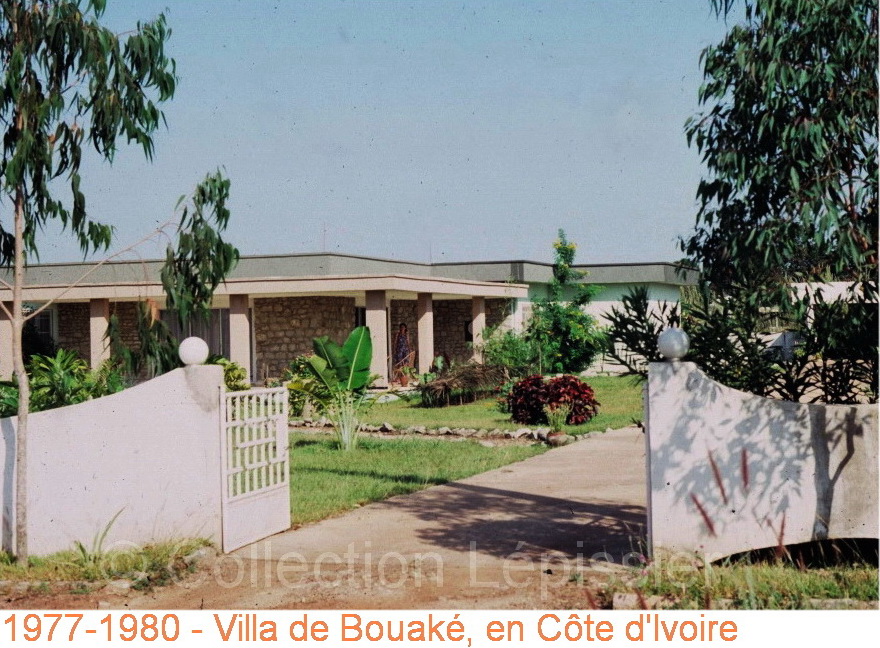 Jacques left alone for the Ivory Coast to find and install a villa in Bouaké. Mathé and the last two children, Laurent and Stéphane, joined Jacques at the end of the summer.
Jacques actually rented a superb villa in the Kennedy district, a little out of the way, with 5 bedrooms, 3 bathrooms, a living room of more than 100 m², dining room, large kitchen, garage and swimming pool, on a 5 000 m² fenced plot of land.
Professionally Jacques was surrounded by a heavy team of FAO experts. At its peak, the project was employing 340 people.
It was in Bouaké that the deterioration of Mathé's vision began to be felt : an accident with a bus, which she had not seen coming, was narrowly avoided. Since this incident she will no longer drive.
FAO informed Jacques that his stay in Ivory Coast was due to end at the end of July 1980.
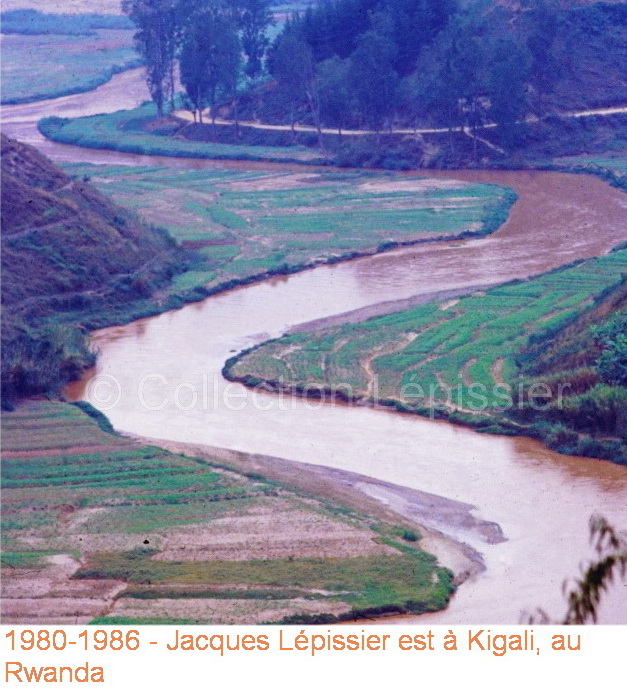
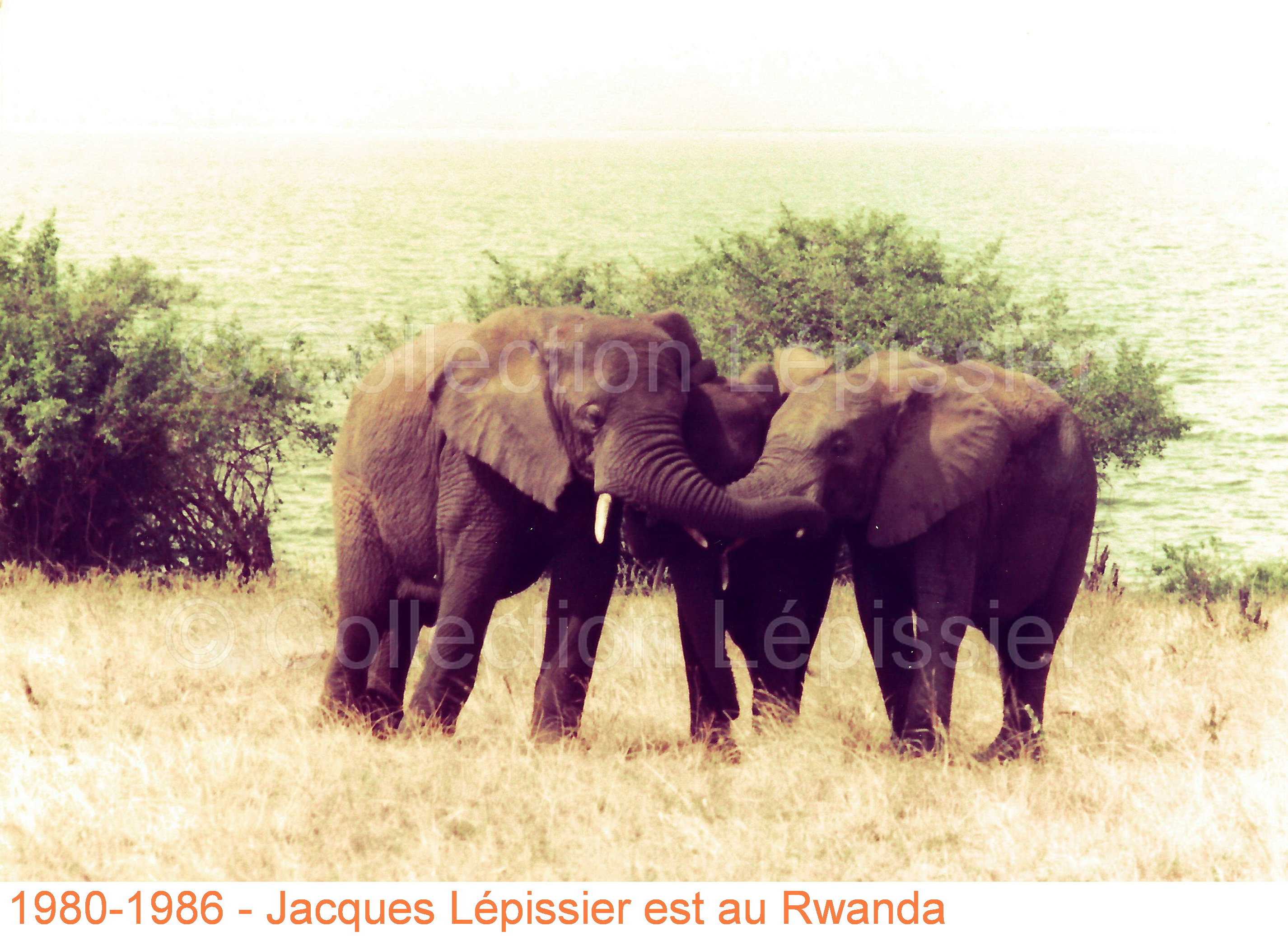
At the begining of July, he therefore went to Rome to hand in his final report and was told that he was late and that the Rwandan government had given its agreement for him to take over the monitoring of a major project and that he should have been in place in Kigali since 1 July.
Jacques was therefore awarded a new 12-month renewable contract. His predecessor had stayed 5 years in Kigali, a longevity rather rare in a post.
Kigali, the capital of Rwanda, nicknamed "the country of thousand hills", is located at an altitude of 1.400 m. It was, at the time, a small city of 60 000 inhabitants for a country of 7 million souls. The country is French-speaking and Kigali has a French school, a very positive point for Jacques.
The family rented a wooden villa, a sort of partially furnished Swiss chalet, on the side of the Kichukiro hilll on the way out of Kigali towards the airport.
At his peak, the project had a local staff including a veterinarian, eight agricultural engineers, a social-worker, twenty-eight team leaders and one hundred and sixty employees and labourers. In addition, Jacques was assisted by two experts, already present on his arrival, a Belgian veterinary, and an Italian economist to set up Crédit Mutuel Élevage. A project to produce concentrated feed will enable elephants to be reintroduced into the Akagera reserve.
Rwanda has no border with Kenya, but is not very far from it. Nairobi airport is a regional and international hub that Jacques was using it from time to time. It was during one of his visits, in 1985/1986, that Jacques had lunch at Monique and Bertand Lépissier's villa in Nairobi, the latter being then working in Kenya for the Banque Indosuez. It was in Kigali that Mathé's eyesight deteriorated sharply due to her bilateral retinitis pigmentosa : her eyes were gradually closing.
Then Jacques was summonded to Rome in 1986 by Dr. Édouard Saouma, a Libanese national, Director General of the FAO, who told him that he intended to integrate him into the body of FAO Representatives. These are diplomatic posts with the rank of head of mission, such as an ambassador. There are, at the time, 70 FAO Reprsesentatives for 1.200 experts around the world.
With the agreement of the respective governments, Jacques Lépissier was appointed FAO Representative for Madagascar and Mauritius, for three years with a possible extension of two years. After the formalities of the move and the handover in Kigali, Mathé and Jacques moved to Antananarivo at the end of 1986 in a superb eight-room villa, with a huge living room opening onto a terrace lined with balustrades and a 5.000 m2 garden sloping gently down to a small lake called Mahazoarivo, and ten minutes from Jacques' office.
Unfortunately, Jacques and Mathé were forced to move after some time : the roof of the villa was not waterproof. The new even bigger house, with 6 bedrooms, was about 20 km from the first one, close to Ivato airport and on the other side of the small lake Antanétibé.
In 1991, Jacques Lépissier reached the end of his 5-years assigment, the maximum time generally allowed for an appointement as FAO Representative. Theoretically, he could still make 2 1/2 years of carrer within the FAO, in an another country. In practical terms, he still only needed 7 months to fill up his rights with the UN pension fund.
But Mathé's eyesight was greatly deteriorating. Mathé and Jacques then considered returning to France. Jacques succeeded in negotiating with the FAO for an extension of 7 months in Madagascar against a decision to retire at the end of this extension.
Mathé and Jacques Lépissier left Madagascar at the end of this extension and return to France. They settleed in their flat in Olivet and Jacques retire.
Mathé lost her eyesight completly and Jacques also had serious ophtalmomogical problems.
Jacques died on 4 September 2009 in Olivet. The 15 January 2010, following Jacques' death, Mathé, blind, moved to Mbabane, the capital of Swaziland, where is her son Laurent, also blind, who lives with his wife and daughter.
Mathé died on 25 April 2018 in Mbabane.
Go to the book 'De Guénako à Excellence',writtten by Jacques Lépissier
© Tous droits réservés
Redirections :
- Go to 'Paul Lépissier (1884-1954)' (Publicly available)
- Go to ‘Madeleine Lépissier (1891-1986) et la famille Gerber'
- Go to 'Émile Lépissier (1900-1969)' (Only available to members of the Association Émile-Jean Lépissier)
- Go to 'Henri Lépissier (1921-2010)' (Publicly available)
- Go to 'Jacques Lépissier (1931-2009)' (Publicly available)
- Go to 'Bertrand Lépissier' (Only available to some members of the Association Émile-Jean Lépissier)